Hands-on Experience
Engineering isn't just about solving equations. While math matters, engineers also need to know how to put solutions to work in the real world. At MCC, you'll master the basics—calculus, physics, chemistry, programming, and differential equations—and learn how to apply them to real problems.
We build research and design into nearly every course and work with local businesses to make sure you're gaining the skills you need—not just for school, but for your career.
Industry Connections
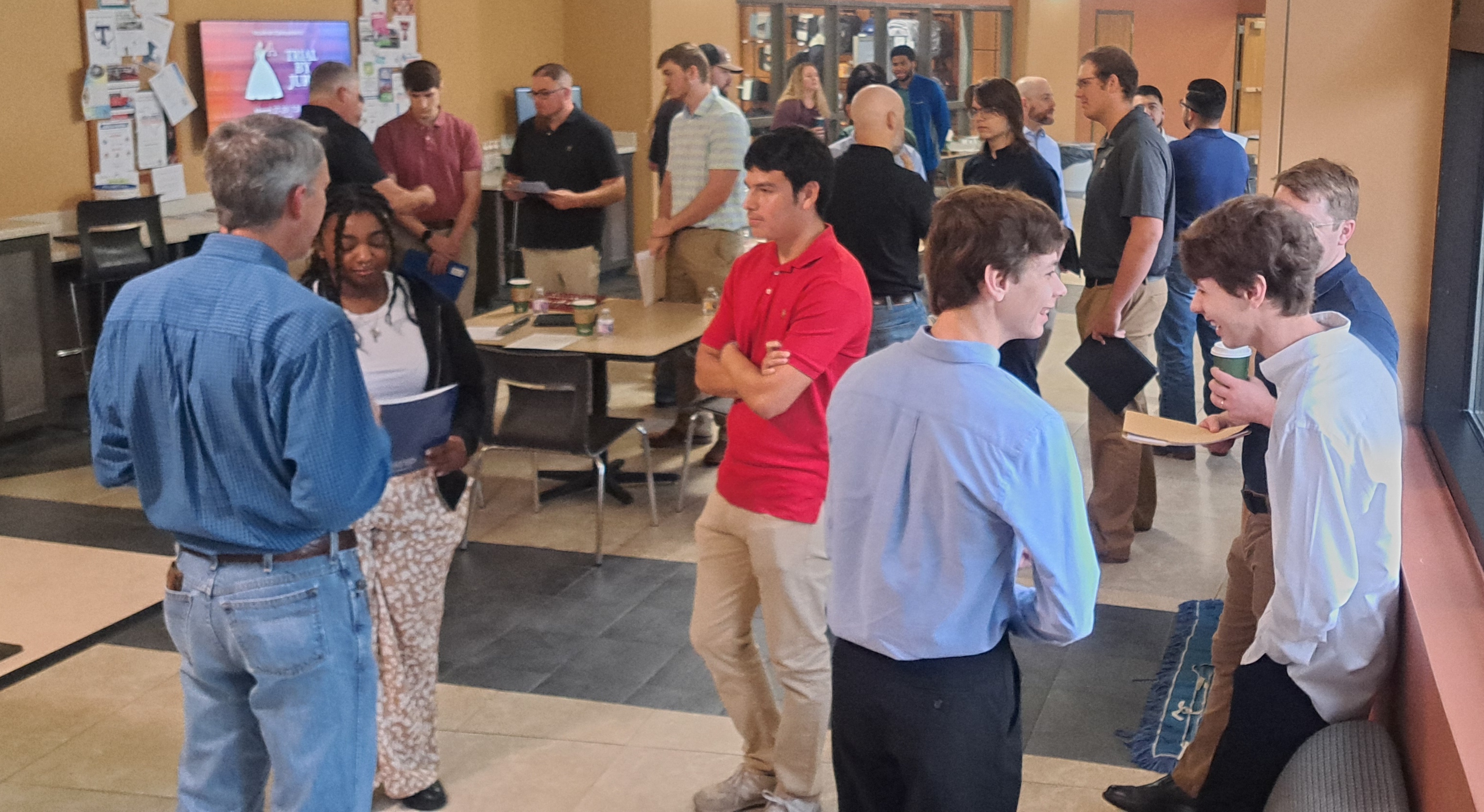
We work closely with local employers to give students the right mix of theory and hands-on experience. Through our Engineering Advisory Council, students can access co-ops, internships, and mentoring from engineers working right here in McLennan County.
Our partners also support MCC Engineering by sharing equipment, speaking as guest experts, and providing funding. Each spring, we host a Career Mixer to help students connect with employers and find summer opportunities.
Microcredentialing
MCC engineering students can earn industry-recognized certifications while still in school. Two key options include:
- CSWA (Certified SolidWorks Associate): Shows your 3D modeling skills in SolidWorks—great for mechanical design and prototyping. Take Engr 1304 – Engineering Graphics to prepare.
- CMA (Certified MATLAB Associate): Shows your ability to use MATLAB for programming, data analysis, and modeling—widely used in engineering and research. Take Engr 2304 – Engineering Programming to prepare.
These certifications can strengthen your resume, support transfer applications, and show employers you have real technical skills.
 NASA MINDS
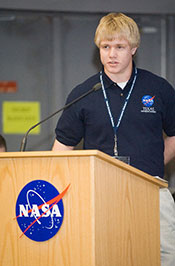
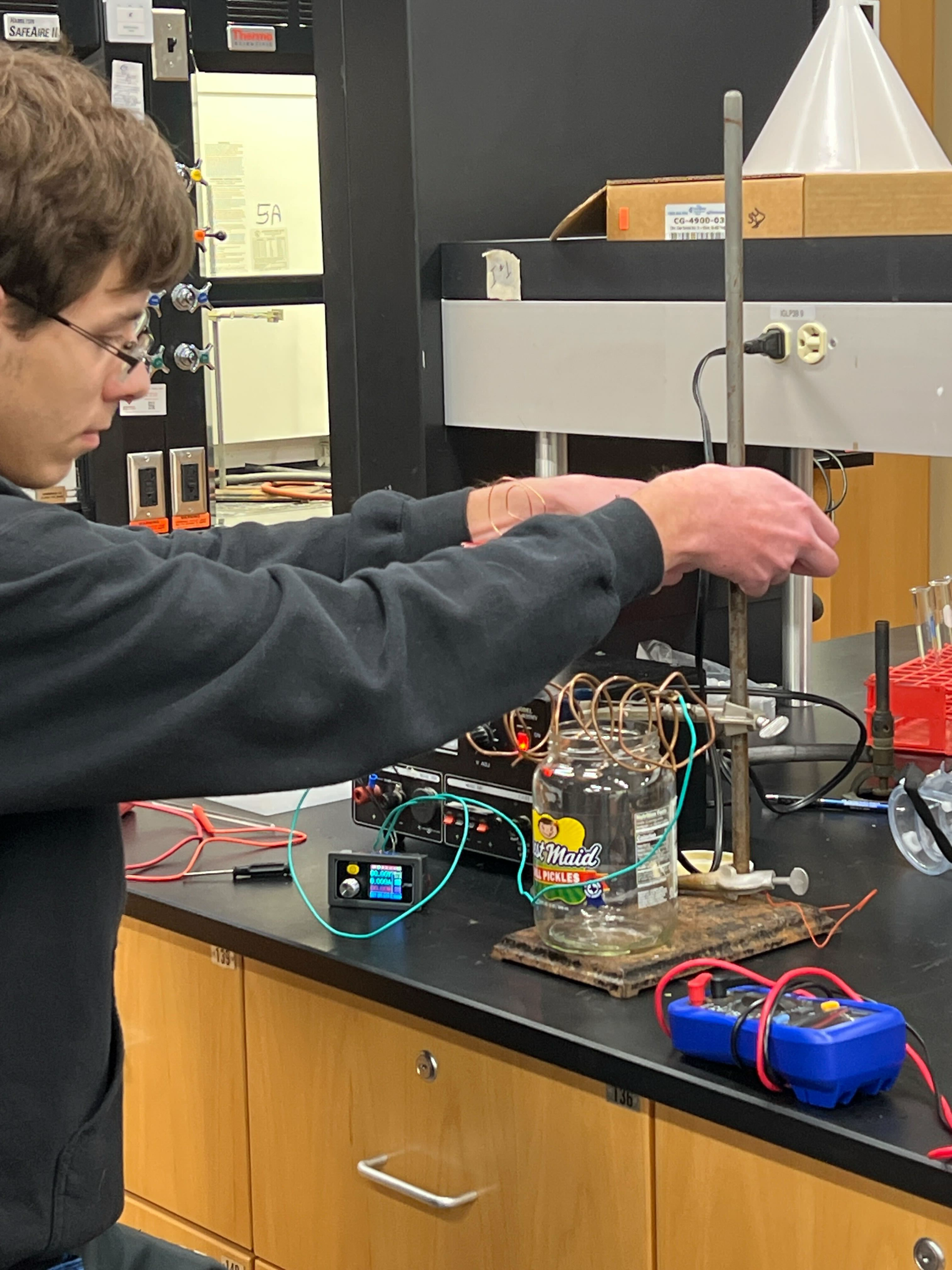
NASA MINDS is a university-level competition where student teams design, build, and present new technologies to support future NASA missions. Teams work with faculty and get feedback from NASA engineers. MCC has competed since Spring 2022 and has earned nine awards over four years.
In 2025, MCC was the only two-year college to place in the competition—earning 1st in Technical Poster, 2nd in Overall Design, and 3rd in Technical Paper. The team's project focused on reducing the harmful effects of lunar regolith, an abrasive and toxic dust that poses risks to structures on the Moon and Mars.
Engineering Commons
The Engineering Commons is an open, welcoming space for all MCC engineering students. It's a great place to study, build, and connect with fellow students. The Commons is stocked with 3D printers, a color laser printer, a desktop computer, breadboards, resistors, sensors, microcontrollers, a soldering station, LEGOs, and other hands-on supplies.
Whether you're doing homework, tinkering with a project, or teaming up with classmates, the Commons is your home base on campus. Any student who has declared engineering as their major is welcome—whether you're just starting out or finishing up your last semester.
Engineering Workshop
The Engineering Workshop is where ideas come to life. Once you're enrolled in engineering classes, you can complete a set of safety training modules to earn keycard access to this fully equipped space. You'll find power drills, cutting tools, a drill press, precision layout equipment, and more.
This isn't a hangout—it's a place to design, build, and take ownership of your work. It's a hands-on, self-driven environment where safety and independence go hand in hand.
Engineering Research Lab
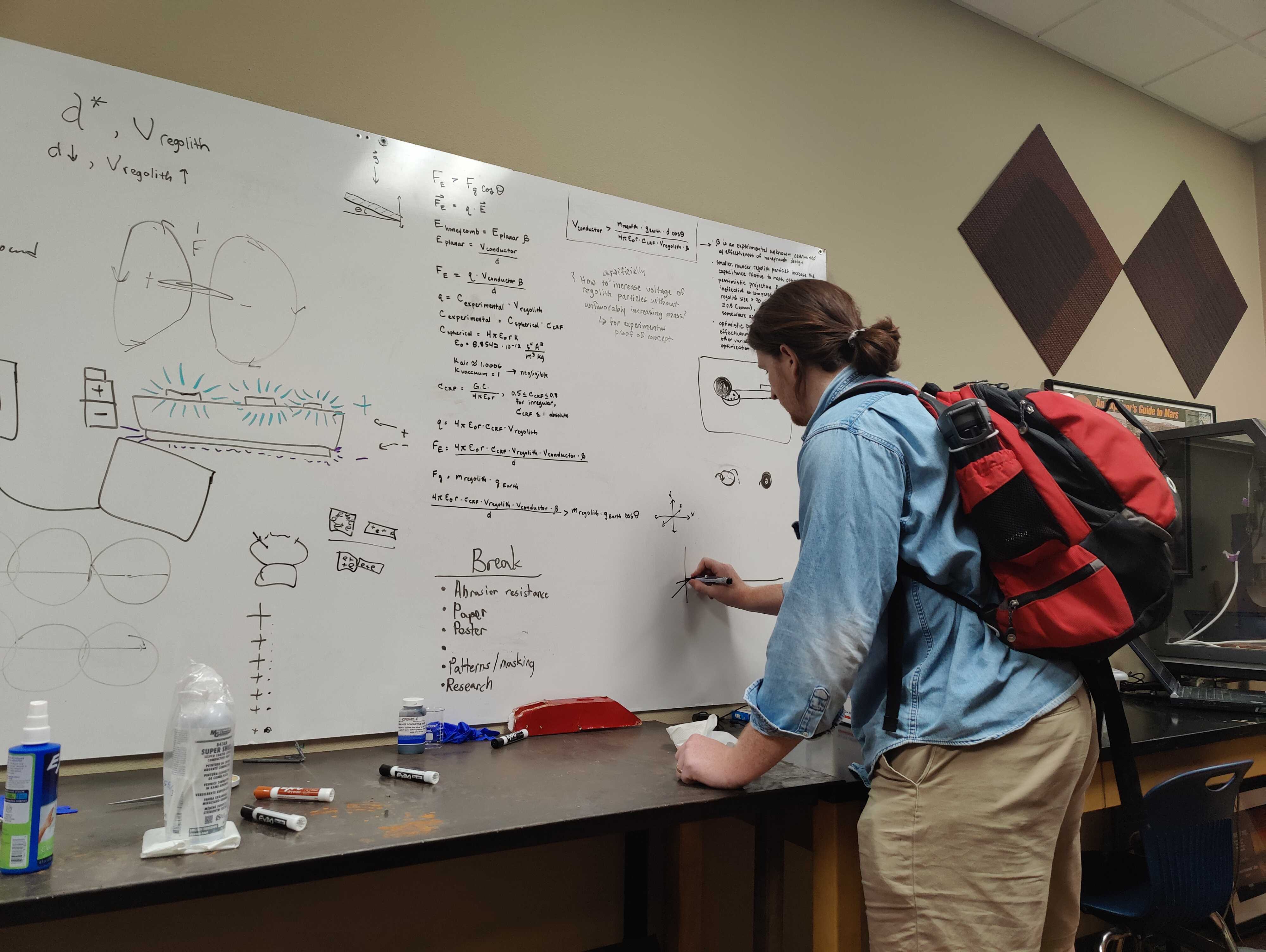
If you have a passion for innovation, a semester-long independent research project lets you explore topics beyond the typical classroom. At MCC, research is student-driven—you choose the topic, design the approach, and take the lead. A faculty mentor guides you, but the project is yours.
Most projects take place during your final spring semester before transfer, but any engineering student with a strong academic record may be eligible. Projects vary widely—you don't need to have everything figured out, just a strong work ethic and a willingness to dig in.
The Research Lab is a dedicated workspace for students pursuing these projects. It includes two high-performance design workstations and a CNC machine. Additional equipment can be purchased to support approved projects.
Ready to take your work to the next level? Talk to your professor about independent research, or explore team opportunities like NASA MINDS.
American Society for Engineering Education
MCC is an institutional member of the American Society for Engineering Education (ASEE). Our faculty are active in several divisions, including Two-Year College, Hands-On Mechanics, and First-Year Programs. Through ASEE, our professors share research and teaching strategies that bring national best practices directly to our students.
You can explore some of our engineering education research below: